Water in Turkana County
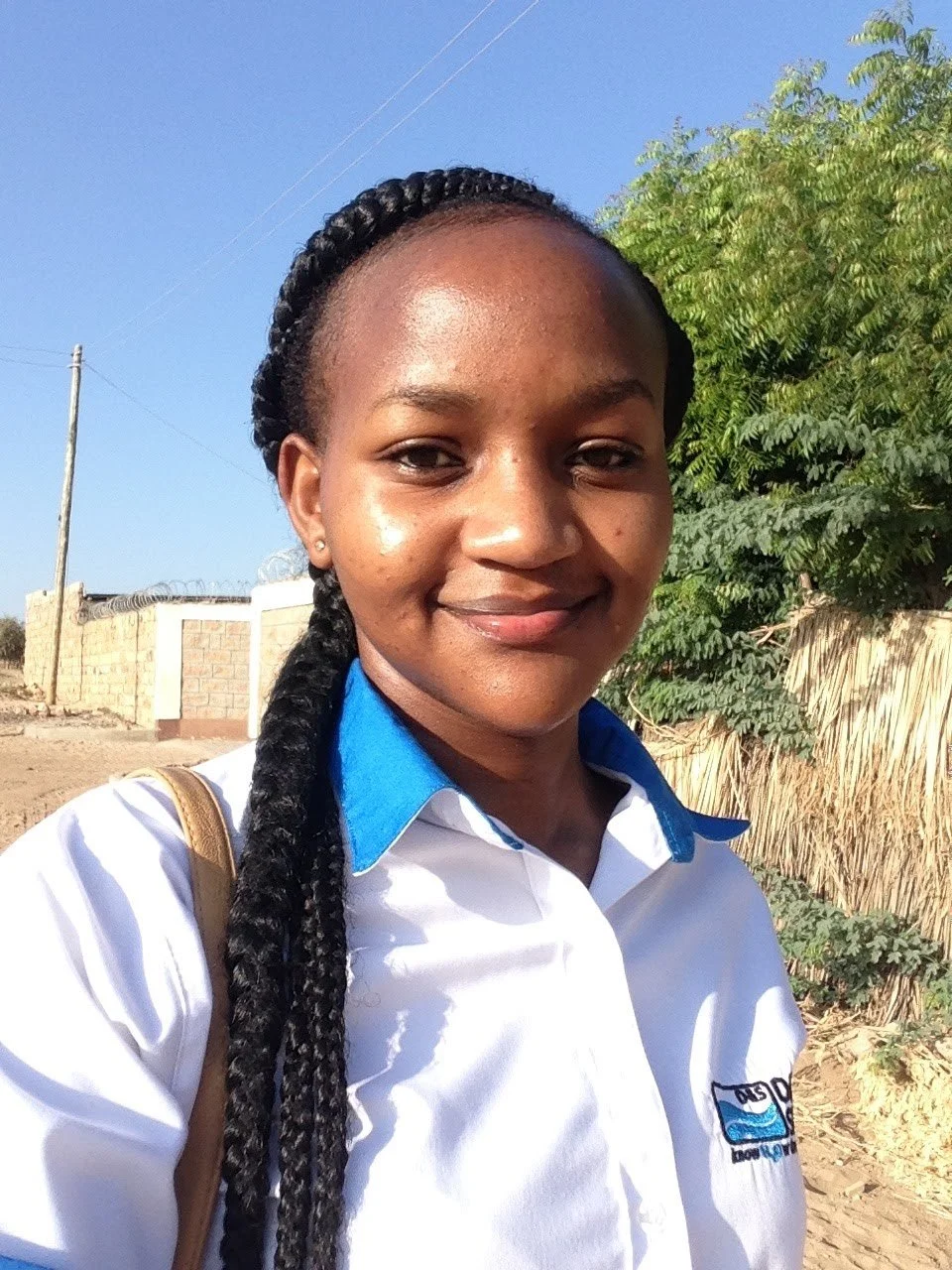
Lodwar, 2016: 24-year-old me on my way to work, under a morning sun that already carried the intensity of the afternoon.
I lived in Lodwar, Turkana County throughout 2016. At the time, I was working with Davis & Shirtliff Ltd as a Sales Engineer. I was young, just turning 25, and, looking back, perhaps it’s true what they say about our frontal lobes not fully developing before that age.
During my time in Turkana, I was largely blind to the opportunities the region presented.
Only later did I begin to see Turkana for what it was, and still is: a region shaped by constraint, but also by immense, often misunderstood potential.
Seeing Turkana more clearly
Turkana has one of the youngest populations in Kenya. This demographic reality represents not just pressure on services, but a long-term opportunity for skills development, local enterprise, and institutional growth, if systems are designed with that future in mind.
Its vast, open terrain offers some of the highest solar irradiation levels in the country, making it exceptionally suitable for solar-powered infrastructure, particularly decentralized systems that can serve remote settlements where grid expansion is costly or slow.
Along Lake Turkana lies an expansive shoreline exposed to consistent wind regimes. This natural advantage underpins the region’s wind energy potential and points to the possibility of integrated water–energy planning, where power generation supports water abstraction, treatment, and distribution.
Economically, Turkana was, and remains, an institutionally young county economy. In 2016, markets were forming, supply chains were still taking shape, and basic services were uneven. But emergence also meant flexibility: the chance to design systems early, before inefficiencies become entrenched.
Perhaps most striking, though, is Turkana’s water story.
Beneath its arid surface lies significant groundwater resources with the potential to substantially improve water security if sustainably developed and managed. This discovery fundamentally challenged the long-held narrative of Turkana as a water-scarce region, revealing instead a gap between resource availability and resource access.
All of this was unfolding alongside a newly established county government, still defining its institutional capacity, planning frameworks, and priorities. That moment, of institutional formation alongside resource discovery, was rare, and full of possibility.
At the time, however, I experienced Turkana primarily through the lens of immediate work: logistics, equipment, installations, breakdowns, and day-to-day operational challenges. It was only after returning to Nairobi that the broader picture came into focus.
Zeroing in on water
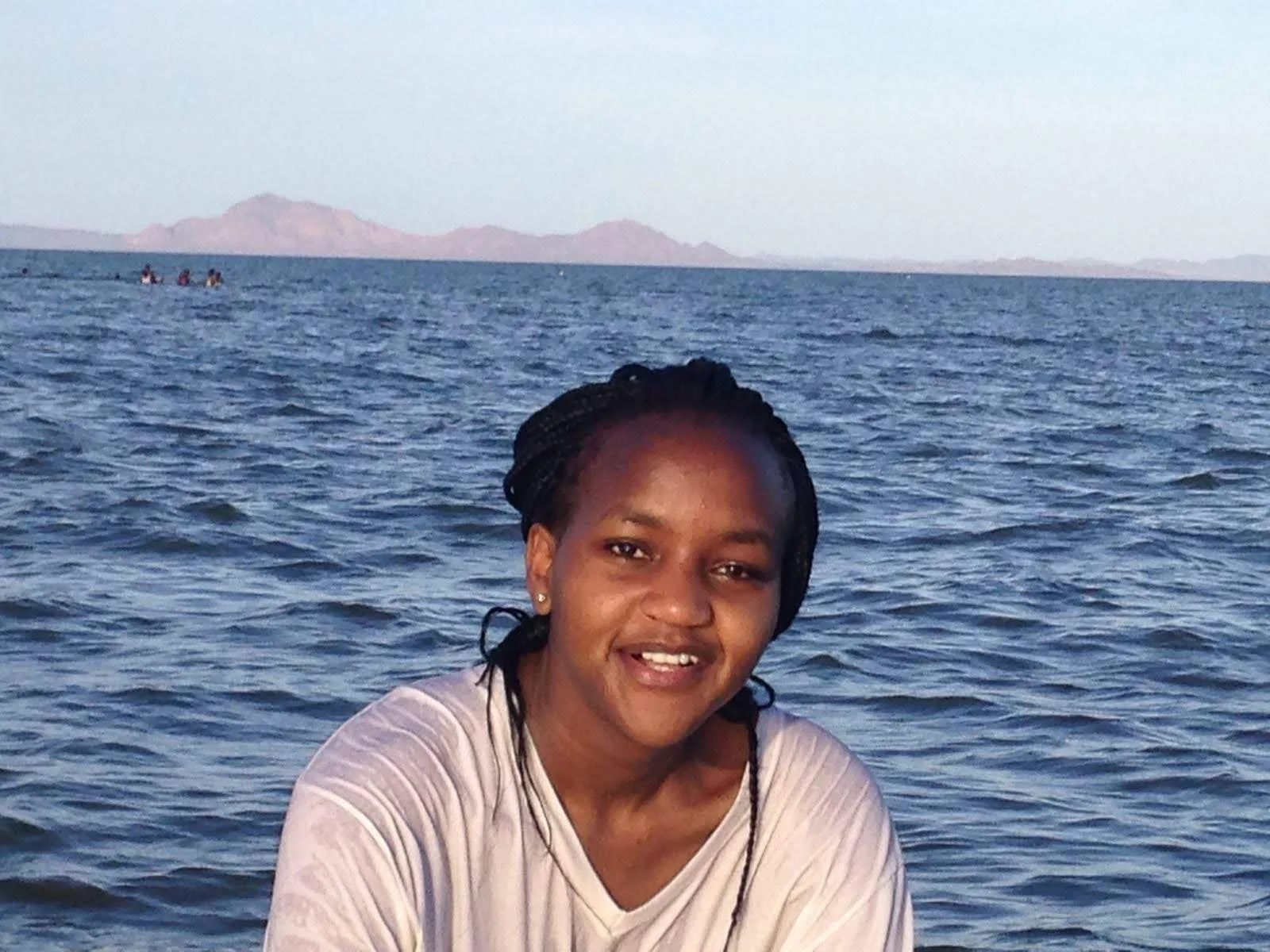
Lake Turkana, 2016
Turkana’s water challenge is often framed as one of scarcity. In reality, it is more accurately a challenge of infrastructure, governance, energy access, and long-term planning.
Groundwater alone does not translate into safe, reliable water services. Boreholes must be properly sited, equipped, powered, maintained, and governed. Energy systems must be reliable enough to support pumping. Communities must be involved in management. Institutions must plan not just for access today, but for sustainability decades into the future.
Without these supporting systems, even abundant water resources remain functionally inaccessible.
What Turkana illustrates, perhaps better than any other region in Kenya, is that water is never just a water issue. It is inseparable from energy, institutions, technical capacity, and local context.
A takeaway
The lesson Turkana offers is a simple and powerful one:
development challenges are rarely about the absence of resources; they are about the absence of systems that allow those resources to serve people sustainably.
For water in particular, this means moving beyond short-term solutions toward integrated approaches that connect water, energy, governance, and community participation.
It is only through this systems lens that regions like Turkana can move from being described as “challenging” to being recognized for the potential they have always held.
